
Real talk. Getting into dental school is hard. Like actually hard, not just “oh this will take some studying” hard. It’s competitive, expensive, and requires you to basically have your life together while also convincing a bunch of admissions committees that you’re genuinely passionate about staring into people’s mouths all day. But here’s the thing – if you know what you’re doing, if you actually prepare properly instead of winging it like so many applicants do, you can absolutely make this happen.
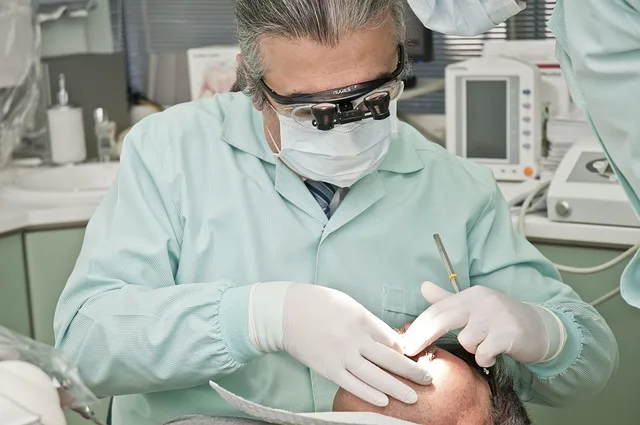
I’ve seen it. I’ve watched people with mediocre stats get in because they knew how to tell their story. And I’ve watched people with perfect GPAs get rejected because they treated this whole process like a checkbox exercise. So let’s talk about how to actually do this.
The Prerequisite Situation
Start here. Seriously. Before you even think about taking the DAT, before you stress about shadowing hours, before you write your personal statement, you need to handle the prerequisites. Most dental schools require the same core stuff: general biology (with lab), general chemistry (with lab), organic chemistry (with lab), biochemistry, physics (with lab), anatomy, and physiology.
Some schools are picky about specific requirements. Like, they want BOTH semesters of organic or they want biochemistry as a separate course, not just part of your general chemistry sequence. Check the schools you’re interested in NOW. Don’t wait until junior year to figure out that the program you love requires biochemistry and you’re going into your senior year without it.
Science GPA matters differently than your overall GPA. It’s not quite fair, but that’s dental school for you. Your overall GPA is important – most competitive candidates are at least 3.4 or above – but your science GPA is what schools really scrutinize. Why? Because you need to actually know this stuff to do dentistry. A high overall GPA with a weak science GPA tells them you crushed your humanities courses and tanked organic chemistry. They notice that.
Aim for at least a 3.5 science GPA. Honestly, 3.6 or higher is where you’re being competitive at the better programs. If you’re sitting at 3.2, that’s not the end of the world, but you’re going to need to crush the DAT and have incredible clinical experience to make up for it. It’s doable, but it’s harder.
Get the Dat Out of the Way
The Dental Admission Test. Four hours of your life that matters way more than it probably should. The DAT has a bunch of sections – surveys, perceptual ability, reading comprehension, biology, organic chemistry, and general chemistry. Youll get a score out of 30 on most sections, and schools care about your overall academic average basically the most, though they look at individual section scores too.
So what score do you need? A 19 is technically acceptable at some schools. A 20 is where you’re becoming competitive at most programs. A 21 or 22? Now you’re in really good shape. If you’re hitting 23, 24, or above, you’re essentially solid on the testing side and can focus on everything else.
Most people study for the DAT for three to four months. Some people do it in two if they’re super disciplined and have the prerequisite knowledge down pat. Some people need five or six months. Take the thing when you’re ready, not when you think you should be ready. There is no shame in pushing your test date back if you’re scoring like a 17 on practice tests. Do it once. Do it right.
The Dental Admission Test is offered year-round now so you have flexibility. Take practice tests constantly. Use the official sample tests. Use other companies resources. Pay attention to what keeps tripping you up. Is it the perceptual ability section where youre struggling to visualize 3D shapes? Do you need to brush up on your biochemical pathways? Actually address it instead of just retaking the whole thing and hoping you get lucky.
Dental Experience is Non-Negotiable
This is where I see applicants mess up constantly. They think they can get into dental school with like 20 hours of shadowing some general dentist on Saturday mornings. No. That doesn’t cut it.
Schools want to see that youve actually spent time around dentistry and you understand what the job entails. Most programs want at least 50 to 100 hours of shadowing or clinical experience. Some of the really competitive schools are looking at applicants with 150, 200, even more hours. These numbers matter because they show commitment and they show you have an actual clue about what youre getting yourself into.
Shadowing is different from actual clinical experience. Shadowing is basically watching. You stand there, sometimes you see stuff, mostly you realize your neck hurts from looking over the dentists shoulder. Clinical experience means youre actually doing something. Youre assisting in the operatory, youre learning instruments, youre helping with patient care.
Get your hours at different places too. Shadow a general dentist. Get some experience at a dental clinic or school clinic if you can. See what pediatric dentistry looks like or watch someone do oral surgery. You don’t need to be all over the place, but seeing different specialties helps your application and honestly helps you figure out what you actually want to do in dentistry.
Red flags on dental experience: You havent shadowed anything. You spent three weeks at one practice and called it a day. You can’t talk specifically about what you learned or what caught your interest. During your interview theyre going to ask you about your experience and if your answer is vague they know you werent paying attention.
One more thing. Get your hours documented. Write them down. Keep track of dates and hours because you’re going to need to report them on your application and schools verify this stuff. Don’t be the person who guesses at their hours on AADSAS and then can’t back it up when they ask. It’s embarrassing and it makes you look unorganized.
The Dat and Your Academics Have to Align
Real quick. If your GPA is 3.3 and your DAT is 19, schools are going to wonder what happened. If your GPA is 3.6 but your DAT is 18, same thing. They want to see some consistency. If there’s a mismatch, that’s fine, but you’re going to need to explain it in your personal statement.
Maybe you had a rough first year and brought it up. Maybe youre actually really good at the DAT-style testing. Maybe organic chemistry just demolished you that one semester. But if your academics and your testing score are way different, just acknowledge it somewhere. Admissions committees respect honesty way more than silence.
Extracurriculars and Research Dont Have to Be Crazy
Look. You don’t need to have published three dental research papers and founded a dental nonprofit to get into dental school. Some of the strongest applicants do simple stuff. They volunteer consistently. They’re involved in campus organizations. They did a summer research project. They worked their way through school and still managed to shadow dentists and get good grades.
What admissions committees are looking for is depth, not breadth. Would you rather have five different volunteer commitments where you showed up inconsistently or two or three activities where you were actually meaningfully involved and stayed with them? Go for the second one. Stay with things. Show growth. If you’re part of the predental club, actually attend meetings and take on leadership. If you volunteer at a clinic, go regularly so the coordinators know your name.
Research is nice but honestly its not necessary for dental school like it sometimes is for medical school. That said, if youre interested in it, do it. But dont force it. Admissions committees can tell when students are just checking boxes. Theyre professionals. They see through that stuff constantly and it doesnt help your case.
The Personal Statement is Where You Actually Matter
Your GPA, your DAT score, your dental hours, your GPA again because it was that important, these are all things you can optimize. But your personal statement? That’s where you get to actually sound like yourself. That’s where you explain why you want to do this.
Here’s the thing, though. A lot of applicants write these super polished, artificial essays that sound like they were generated by some essay-writing robot. “Since my childhood, I knew I wanted to help others through the noble profession of dentistry.” Come on. Dental schools get thousands of these essays. They all blend together. They all sound the same. Admissions committees are reading 500 of these statements and yours has to stand out.
Write something real. Tell them about the moment you actually figured out you wanted to do dentistry. Maybe youre a person who watched your own dentist work and realized you wanted that career. Maybe you volunteered at a clinic and had a patient interaction that stuck with you. Maybe you had terrible teeth as a kid and your orthodontist changed your life. Maybe youre interested in treating underserved populations. Actually tell that story. Make it yours.
And be honest about your weaknesses too if theyre relevant. Did you have a bad semester? Explain what happened and what you learned. Did your DAT score not match your GPA? Say something about it. Admissions committees understand that people are complicated and messy and sometimes things dont go perfectly.
Don’t write the essay that you think they want to read. Write the essay that explains why YOU want this. Why does getting into dental school matter to YOU specifically? Not dentistry in general. You.
Your Application Timeline Matters More Than You Think
AADSAS is the centralized application service for dental schools. Applications open July 1st typically and you want to get your application in EARLY. Schools fill their spots on a rolling basis which means they start reviewing applications in August or September and keep going until their class is full. If youre submitting in December? Youre behind. Way behind.
The timeline that works: Get your prerequisites done by spring of your junior year if you can. Take the DAT by June or July of your junior year. Have your shadowing hours and experience mostly done by summer before your senior year. Write your personal statement in July. Get letters of recommendation submitted by late July or early August. Submit your application literally the second it opens on July 1st.
If you’re not ready before the cycle starts, don’t force it. It’s better to wait and apply in July of next year with a stronger application than to rush and apply in November with something mediocre. Schools care about where you fit, not just whether you technically meet their minimums. Don’t panic and submit early just to submit early. But if you’re ready, DO NOT wait. There’s no benefit to waiting. You’re only hurting yourself.
Schools typically start sending interview invitations in August and September. By November, a lot of the spots are already allocated. I’m not saying every seat is filled, but the rolling admissions system is real and it matters. Get moving.
Interview Tips From People Who Actually Got In
Okay. Youve made it past the filter. Youve got the grades, the test score, the experience. Now you have an interview. This is where personality matters.
First thing: don’t be fake. Admissions committees have done this hundreds of times. They can tell when you’re being artificial. When they ask “why dentistry?” give them a real answer, not a rehearsed speech you memorized. They’ll know if you’ve practiced it seventeen times.
Second: ask them good questions. Have you actually looked at the program? Do you know what makes their curriculum different? Are you curious about their community partnerships or their specific strengths? Their research opportunities? Ask about that stuff. Dont ask something you could find on the website in two minutes. That makes you look lazy.
Third: practice interviewing. Actually do this. Record yourself or go to your school’s writing center or talk to your predental advisor. Do mock interviews so you’re not surprised when someone asks you something difficult. And something difficult WILL come up because schools want to see how you think on your feet. They want to see if you’re going to get flustered or if you can handle being put on the spot.
Also? Be normal. Be friendly. Eat whatever snacks they offer without being weird about it. Smile. Make eye contact. Treat the admissions staff like humans instead of gatekeepers to your dream, because that’s what they are. They’re people too. They want to admit people they like working with. If you’re charming and genuine, that matters.
Show up early. Don’t be late. That should be obvious, but apparently it isn’t.
For personalized support, check out our healthcare admissions consulting and interview preparation services at SOS Admissions.
What Keeps Applicants Out
Ive seen some patterns over the years. Applicants who get rejected usually fall into a few categories and its honestly pretty predictable.
They didn’t take the prerequisites seriously enough. They got a C in organic chemistry and thought it was fine. They got a D in biochemistry. They figured they’d make it up with a good DAT score. It doesn’t work that way. Prerequisites are a filter. Schools are looking at your science GPA first.
They had inadequate clinical experience. They had like 30 hours of shadowing and thought that was enough. Or they shadowed for six months and then stopped. Consistency and volume matter.
They wrote a personal statement that sounds exactly like every other personal statement. No personality. No real reason for wanting dentistry. Just generic motivation. No specificity. Nothing that made them memorable.
They didnt research the schools they were applying to. They sent the same interview answers to ten different programs and it shows. Schools want to know why you specifically want to attend THEIR school. Not dental school in general. Their school.
They had bad DAT scores that didn’t match their overall performance and didn’t address it anywhere. They just ignored the elephant in the room and hoped admissions committees wouldn’t notice. They noticed.
They never took the process seriously until it was too late. Then they panicked and sent incomplete applications and rushed essays. By then it was already November and spots were mostly full.
They were boring in interviews. They gave standard answers. They didnt ask good questions. They looked like they were going through the motions instead of being genuinely excited about attending.
Dont be any of these people.
Next Steps
You know what you need to do now. You need to crush your prerequisites. You need to get dental experience and log those hours carefully. You need to take the DAT and actually prepare for it. You need to tell your story in a way that sounds like you, not like some application essay bot. You need to submit your application early. You need to prepare for interviews like your acceptance depends on it.
This process takes time and intention but its absolutely doable. Thousands of people do it every year. Some of them are way less prepared than you probably are.
If you’re still feeling lost about where to start or how to position yourself, or if you need actual feedback on your personal statement, SOS Admissions works directly with dental school applicants who are serious about getting in. They help with personal statement development, application strategy, interview preparation, and general guidance through this whole crazy process. Check out sosadmissions.com to learn more. They get it. They know what schools are looking for and they know how to help you present your best self. They’ve worked with students from all different backgrounds and situations.
You’ve got this. Really. Just actually put in the work instead of hoping.
By Pattie Kim
How SOS Admissions Can Assist
Getting into dental school requires a strategic approach to every component of your application. SOS Admissions provides comprehensive support for pre-dental students, including DAT preparation guidance, personal statement development, school list creation, and interview coaching. Our team has helped countless applicants gain admission to top dental programs. Call us at 310-870-5428 to schedule your consultation.
Frequently Asked Questions
1. What DAT score do I need for dental school?
A competitive DAT Academic Average is 19 or above. Scores of 21 or higher make you competitive for most programs, including top-ranked schools. The national average is approximately 17, so aim well above that mark.
2. How many dental schools should I apply to?
Most applicants apply to 10-15 dental schools to ensure a good mix of reach, target, and safety programs. The exact number depends on your competitiveness, geographic preferences, and the cost of applications and interviews.
3. Is dental school harder to get into than medical school?
Dental school acceptance rates are generally higher than medical school rates, but the applicant pool is smaller and competition remains significant. Both require strong academics, clinical experience, and well-crafted applications to be competitive.