
CRNA stands for Certified Registered Nurse Anesthetist. It’s an advanced practice nursing role that requires serious education and experience, but it’s also one of the most well compensated nursing positions out there. If you’re interested in this path, here’s what you need to know about getting into CRNA school.
What Do CRNAs Actually Do
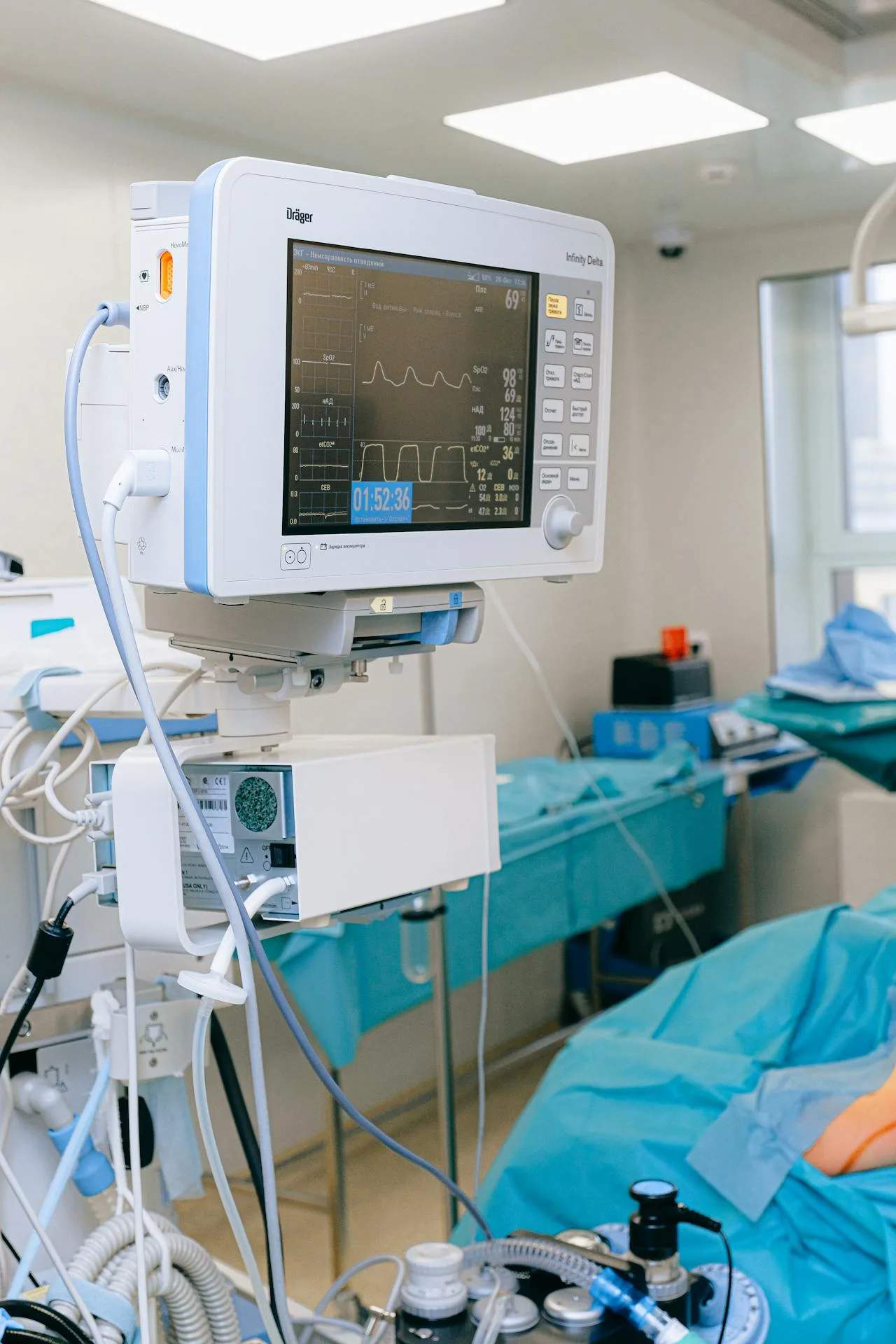
Okay first, let’s be clear about what a CRNA is. They’re nurses who specialized in anesthesia. They administer anesthesia to patients before surgery, manage anesthesia during procedures, and monitor patients recovering from anesthesia. They work in operating rooms, emergency rooms, and other acute care settings where anesthesia is needed.
CRNAs are advanced practitioners. They’re not just nurses anymore. Theyve gone through additional training and have advanced clinical skills. The salary reflects this, which is why a lot of nurses go this route.
CRNA school is a graduate degree program. It’s not something you can do right after nursing school. You need experience first.
The ICU Experience Requirement
This is the biggest barrier to entry for CRNA school. You need ICU experience before you even apply. Most programs require a minimum of one year in an ICU setting. Some want two years. Some really competitive programs want even more.
What counts as ICU experience? Medical ICU, surgical ICU, trauma ICU, neuro ICU, cardiac ICU, any ICU where you’re managing critically ill patients, monitoring vitals, adjusting medications, dealing with complex patient situations.
The reason programs require this is because anesthesia is critical care. You’re managing a patients airway, breathing, circulation, and monitoring them under sedation. If you’ve never worked in an ICU, you’re not ready for that.
So the timeline is: become an RN, work in an ICU for one to two years, then apply to CRNA programs.
GPA and Prerequisite Courses
CRNA programs are graduate programs. You’ve already done your nursing prerequisites to become an RN. But CRNA programs have additional prerequisites.
Most programs want organic chemistry, biochemistry, anatomy, physiology, pharmacology, and sometimes physics and statistics. If you took these in your BSN or ADN program, great, you can transfer them. If you didn’t, you need to take them before applying to CRNA school.
This is where a lot of RNs mess up. They finish nursing school, don’t take additional science courses, and then they realize CRNA programs require organic chemistry and biochemistry that they never took.
Plan ahead. If you think you might want to go to CRNA school someday, while you’re still in nursing school or shortly after, take those chemistry and biochemistry courses. Don’t wait until you’re five years into nursing and realize you need to go back and take orgo.
The GPA Requirement
CRNA programs usually want at least a 3.0 GPA for your nursing prerequisite courses. Some want 3.2 or higher. You’re applying as a graduate student, so they’re looking at your overall academic performance.
If you’ve been an RN for years and your nursing school GPA is low, you can sometimes take additional science courses and show that you’re capable of graduate level work. But ideally, maintain a solid GPA through nursing school because it matters.
The GRE
CRNA programs require the GRE, the Graduate Record Exam. It’s the standardized test for grad school. You’ll see verbal reasoning, quantitative reasoning, and analytical writing.
Competitive CRNA programs want GRE scores around 155 to 160 on verbal and 155 to 160 on quantitative. That’s not super high, but it needs to be respectable.
Study for the GRE the same way you studied for anything else. Three to four months of prep. Resources like Khan Academy, Magoosh, Manhattan GMAT all work.
CRNA school is competitive. The GRE is another way to stand out if your other credentials are solid. If you’re a strong applicant otherwise, a 151 on quant might still get you in. If you’re borderline, a 155 plus helps.
The Application Process and Essays
CRNA programs have different application systems. Some use AACN systems, some use individual applications. When you apply, you’ll need to submit your CRNA school prerequisites, GRE scores, nursing experience, and usually essays.
Your essays matter. Programs want to know why you’re interested in anesthesia specifically. Not just why you want to make more money, not just because you’re bored with bedside nursing, but actually why anesthesia interests you.
Talk about your ICU experience. What critical thinking skills did you develop? What made you interested in anesthesia specifically?
A lot of people do ICU rotations and are like oh cool, I see the CRNA, that’s interesting, maybe Ill do that. But when you actually talk to the CRNA, shadow them, learn about the job, then you have real insights to share.
Competitive CRNA Program Profile
If you’re applying to a top tier CRNA program, here’s roughly what they’re looking for:
BSN from a good program. Not required but helps.
3.0 plus GPA, ideally 3.2 or higher.
Two to three years ICU experience, ideally in a challenging ICU.
GRE around 155 plus.
Nursing certifications like CCRN (critical care) or TNCC (trauma).
Strong personal statement explaining genuine interest in anesthesia.
Letters of recommendation from nurses or physicians who know your work.
Less competitive programs are more flexible on these criteria but still want most of them.
ICU Setting and What Matters
The type of ICU you work in matters somewhat. A trauma ICU is impressive. A cardiac ICU is impressive. A medical ICU is solid. A step down unit isn’t really ICU level so that doesn’t count as much.
Also, the quality of your ICU experience matters. If you work in a well run ICU with knowledgeable nurses and physicians, you’re learning a lot. If you’re in a chaotic ICU that’s understaffed, you’re still learning but the experience might be harder.
What programs want to see is that you’ve developed strong critical thinking skills in high acuity situations.
Choosing Your CRNA Program
CRNA programs vary. Some are Master of Science programs. Some are Doctor of Nurse Anesthesia Practice (DNAP) programs. The DNAP is the newer standard.
Check whether programs are accredited. The accrediting body is the Council on Accreditation of Nurse Anesthesia Educational Programs. Make sure any program you’re considering is accredited or seeking accreditation.
Some programs are expensive, some less so. There’s public and private schools. Some schools are part time, some full time. Some are evening programs so you can keep working.
Full time programs are usually 24 to 28 months. Part time or evening programs might be three to four years.
Consider location, cost, curriculum, faculty reputation, CRNA exam pass rates, job placement. These all matter.
Timeline for Getting Into CRNA School
If you’re currently an RN with less than one year ICU experience, plan to work your ICU job for one to two years, then apply.
While you’re working in the ICU, take any missing prerequisite courses if you’re going to CRNA school. Organic chemistry, biochemistry, pharmacology. Get those done while you’re working.
Take the GRE sometime in your second year of ICU work.
Apply to CRNA schools in summer or fall of your second year. Many programs have cohorts starting in summer or fall of the next year, so you need to apply about a year before you want to start.
So timeline: RN to ICU, work 1 to 2 years while taking prerequisites and GRE, apply, start CRNA school 1 to 2 years after you became an RN.
That might sound long but it’s actually pretty standard. CRNA school wants people who know what they’re signing up for.
Scholarships and Financial Aid
CRNA school is expensive. Tuition can be 50k to 100k or more depending on the program.
Scholarships exist. Some programs offer them. Some employers offer tuition reimbursement if you’ll commit to working for them after graduation.
Federal loans are available. Some nurses use loans, others have employers pay, some have savings.
It’s worth asking programs about financial aid when you’re considering them.
The CRNA Exam
After you graduate CRNA school, you take the National Certification Examination for Nurse Anesthetists. Pass that and you’re a CRNA.
Most programs track their pass rates. Higher pass rates mean better programs. If a program has an 85 percent pass rate, that’s good. If its 95 percent, that’s excellent.
CRNA Job Market
CRNAs are in demand. Job market is good. You can work in hospitals, surgery centers, clinics, anywhere anesthesia is needed. Telehealth anesthesia is even starting to be a thing.
Salary is excellent. According to the Bureau of Labor Statistics, CRNAs make around 180k plus per year depending on location and setting. That makes the investment in school worth it financially for a lot of people.
Common Mistakes People Make
Not working in ICU long enough before applying. One program says they want one year and you apply after 11 months. Don’t do that. Actually work in ICU for the time required.
Applying without taking prerequisite coursework. Check what CRNA programs require and get it done.
Doing well on the CRNA exam. After graduation, you really gotta prepare. Failing costs money and time.
Thinking CRNA is easier than medical school. Its less time than med school but it’s still intense. You’re getting a masters degree with extensive clinical training. It’s hard.
The DNP vs Masters Decision
Newer CRNA programs are Doctor of Nurse Anesthesia Practice programs. Older programs were Masters of Science in Nurse Anesthesia. Both are accredited and valid. The DNP is becoming the standard but Masters programs still exist and are totally fine.
From a job standpoint, both result in being a CRNA. The title is the same, the scope of practice is the same, the pay is the same. The difference is the amount of education (DNP takes a bit longer) and the credential.
Most programs are shifting to DNP but not all yet. When you’re choosing programs, check if they’re Masters or DNAP.
Really Competitive CRNA Program Considerations
If you’re applying to competitive programs, here’s what helps:
Nursing certifications like CCRN or TNCC showing you’re invested in your nursing knowledge.
Shadowing CRNAs and being able to talk knowledgeably about the role.
Strong ICU experience in a well respected ICU.
Publications or presentations about your nursing practice, if you’re into that.
Letters of recommendation from physicians or senior nurses who know you really well.
But honestly, most people get into CRNA school without being super exceptional. You just need decent grades, decent GRE, solid ICU experience, and genuine interest in anesthesia.
For personalized support, check out our healthcare admissions consulting and interview preparation services at SOS Admissions.
The Real Talk
CRNA school is the next level after becoming an RN. Its for nurses who want to specialize, who want more responsibility and autonomy, and who want better compensation. It’s a legitimate career path with good job prospects and solid income.
But you have to put in the time. Work in ICU for at least a year, do the coursework, prepare for the GRE and CRNA exam. It’s not a shortcut to anything. It’s just a different path in nursing.
If you’re interested in anesthesia and willing to do the work, CRNA school is absolutely doable. Thousands of nurses become CRNAs every year.
If you’re exploring whether CRNA is the right path for you or you want help optimizing your application when you’re ready to apply, SOS Admissions works with nurses considering advanced practice roles. We understand the requirements and can help you build a competitive profile.
Get your ICU experience. Keep your GPA solid. Take your prerequisites. When you’re ready, you’ll be a strong applicant for CRNA school.
How SOS Admissions Can Assist
Getting into a CRNA program is highly competitive, and your application needs to stand out. SOS Admissions works with aspiring nurse anesthetists to strengthen every component of their application, from clinical experience presentation to personal statement writing and interview coaching. Call us at 310-870-5428 to discuss how we can help you secure a spot in a top CRNA program.
Frequently Asked Questions
1. How long does it take to become a CRNA?
The typical path takes 7-8 years after high school: four years for a BSN, one to two years of ICU nursing experience, and three years in a CRNA doctoral program (DNP or DNAP).
2. What GPA do I need for CRNA school?
Most competitive programs expect a cumulative GPA of 3.5 or higher and a science GPA of 3.3 or above. Some programs accept applicants with lower GPAs if they have strong clinical experience and GRE scores.
3. Is ICU experience required for CRNA programs?
Yes. Nearly all CRNA programs require at least one year of critical care nursing experience in an ICU setting. Most successful applicants have two or more years of ICU experience before applying.